Custom software for businesses that have outgrown spreadsheets.
Black Tumbler is a South African software studio that designs and builds web applications, automations and integrations, so your team spends less time on admin and more time on the work that pays.
No upfront cost. You pay once it's live and working.
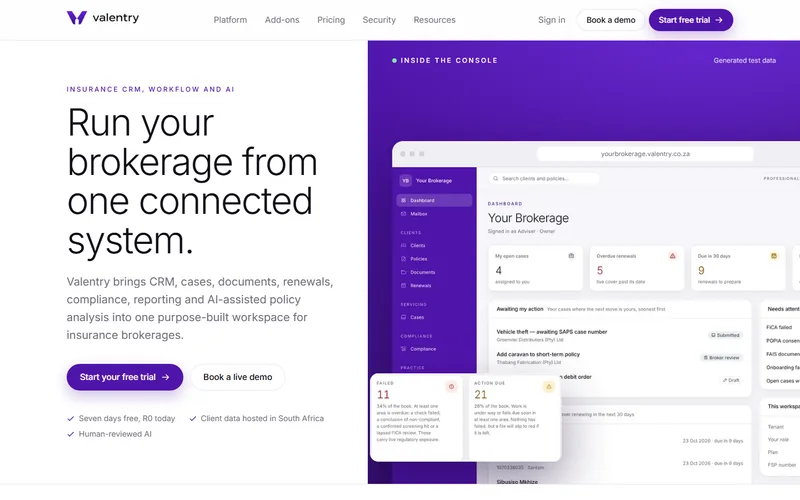
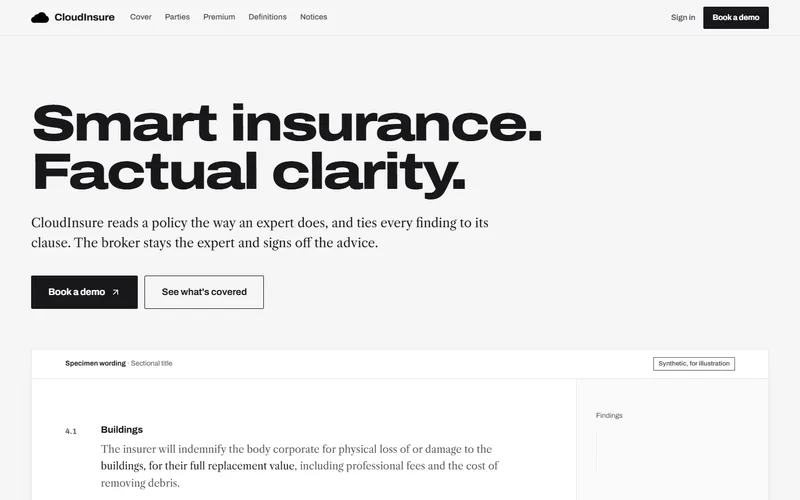
From Jason Pretorius, the founder who built Valentry and CloudInsure, two live insurance software platforms.
A typical week of admin
01Enquiry arrives by email or WhatsAppEnquiries captured automatically×✓
02Details re-typed into a spreadsheetCustomer details captured once, reused×✓
03Quote built by hand in WordQuote generated in a few clicks×✓
04Follow-ups tracked in someone's headFollow-ups sent on schedule×✓
05Month-end report pieced togetherReports ready whenever you need them×✓
Illustrative example. Every project is scoped to how your business actually works.
01/Studio services
Software that removes the work your team shouldn't be doing.
Re-typing data, chasing emails, juggling disconnected tools: these quietly cost time and money every week. We build focused software that fixes them, then keep it running.
Also available: technical consulting, hourly or fixed-fee.
01
Custom web applications
Customer portals, admin systems, booking, inventory and reporting tools built around how your business works, not the other way round.
02
Business automation
Take repetitive work off your team: document processing, notifications, approvals, data sync and scheduled reports.
03
Systems integration
Connect the tools you already pay for, including accounting, payments, CRMs and third-party APIs, so data moves without copy-and-paste.
04
Websites and portals
Fast, accessible, responsive websites and landing pages that explain what you do and bring in enquiries.
05
Maintenance and support
Fixes, security updates, monitoring and steady improvements under a written support agreement, so your system keeps up as you grow.
02/Work
Real software, live and in use.
Two insurance platforms created by Black Tumbler's founder, each handling the kind of documents, workflows and compliance demands many businesses run on.
Three steps from first conversation to working software.
1
Tell us the problem
A discovery conversation about what's slowing you down, what it costs you today and what a good outcome looks like.
2
Get a clear scope and quote
A written scope, a fixed price and a clear definition of “done”, agreed before any work starts. There's nothing to pay at this stage.
3
We build. You pay when it works.
Working software at agreed milestones and a careful launch with documentation and training. You're invoiced once it's live and your team is using it.
No deposit and no upfront cost. The agreed price is invoiced once the software is delivered and working for your team. Changes to scope are agreed in writing before they are built.
04/Why Black Tumbler
Small on purpose. Serious about engineering.
Talk to the person building it
Black Tumbler is founder-led by Jason Pretorius. You speak directly to the engineer designing and writing your software, with no account managers in between.
Business outcomes first
We start with what the software must change in your business, then pick proven technology that fits, rather than whatever is fashionable.
No surprises
Scope, cost, timeline and risks are agreed in writing up front, and you hear about progress before you have to ask.
Built to last
Secure, tested and maintainable code with documentation, so the system stays an asset rather than a liability.
05/Black Tumbler Labs
Where we build our own products.
Alongside client work, Labs researches and develops Black Tumbler's own software. An idea only gets built once it has a real customer, a real problem and evidence that people would pay to solve it.
Validate first. Customer conversations before code.
Stay focused. One problem solved well before anything else.
Feed the studio. Reusable foundations and lessons that make client projects better.
06/FAQ
Questions people ask before starting.
What does a custom software developer do for a small business?
A custom software developer builds tools around how your business already works: portals, internal systems, automations and integrations between the apps you use. The goal is to remove manual admin, such as re-typing data, chasing approvals and assembling reports, that off-the-shelf software doesn't handle well.
Is custom software better than an off-the-shelf tool?
Not always. If an affordable off-the-shelf product fits how you work, use it. Custom software makes sense when you're paying for several tools that don't talk to each other, working around a product's limits or doing repetitive work by hand. We'll tell you honestly which applies before you commit.
What kinds of businesses do you work with?
Mostly small and medium-sized businesses that need software but don't have an in-house development team. We also help founders build an MVP, and larger organisations that need a defined project, integration or internal tool delivered.
How much does a project cost?
It depends on scope, so every project gets a fixed, written quote before any work starts. Any third-party costs, such as hosting or paid services, are listed in the quote too.
Do I have to pay anything upfront?
No. There's no deposit and no upfront cost. You're invoiced for the agreed price once the software is delivered, meets the agreed definition of done and your team can use it. Ongoing support, if you want it, is a separate monthly agreement.
How long does a project take?
Smaller automations and websites can take a few weeks; larger applications take longer. Your quote includes a timeline with milestones so you know what is delivered when.
Who owns the software you build?
Ownership is set out in your contract before work starts, covering what is built specifically for you and any reusable components we bring to the project. No grey areas.
Can you work with the systems we already use?
Yes. Connecting existing tools such as accounting software, payment providers, CRMs and spreadsheets is often the fastest way to remove manual work.
What happens after launch?
You can take out a maintenance agreement covering fixes, security updates, monitoring and improvements. It spells out what's included, response targets and how extra work is priced.
Do you use AI in development?
We use AI tools to research, build and test faster, but every line of code is reviewed by a person and we stay responsible for its correctness and security. Client data and confidential material are handled according to our agreement with you.
How do you handle personal information?
We design systems with South Africa's POPIA in mind, ask only for the access a project needs and agree confidentiality terms where required.
07/Start a project
Tell us what's slowing you down.
Describe the problem in a few sentences. We'll reply to arrange a short discovery conversation and let you know honestly whether custom software is the right fix.
✓No upfront cost: you pay once the software is live and in use
✓A fixed, written quote before any work starts
✓Ownership terms agreed in your contract up front
✓A direct line to the engineer building your system